

Artificial intelligence is no longer a future concept in marketing. In 2026, it is the operating layer behind campaign planning, search visibility, creative production, customer segmentation, automation, and reporting. What changed is not simply that more tools now use AI. The deeper change is that AI has moved from being a supporting feature to becoming a strategic force that shapes how modern digital marketing teams work every day.
Brands that once treated AI as a productivity bonus now use it to improve speed, relevance, personalization, and decision-making across the full funnel. Marketers are using AI to discover content opportunities faster, build stronger SEO strategies, improve paid campaign efficiency, personalize email journeys, refine customer targeting, automate repetitive tasks, and forecast performance with much more confidence. At the same time, consumers are engaging with AI-shaped experiences through search engines, recommendation systems, chat interfaces, and predictive product discovery. That means digital marketers are not only using AI internally. They are also competing inside an environment increasingly influenced by AI on the customer side.
However, not every AI trend matters equally. Some trends will meaningfully improve reach, efficiency, and revenue. Others will create noise, encourage low-quality automation, or lead brands to produce content that is fast but forgettable. The real advantage comes from understanding which AI trends are practical, which are overhyped, and how they fit into a sustainable marketing strategy.
This guide breaks down the most important emerging AI trends transforming digital marketing in 2026. It explains what each trend means, why it matters, how marketers are using it, where the risks are, and how businesses can adapt without losing quality, trust, or strategic control.
1. AI-Powered Search Is Reshaping Organic Visibility

One of the biggest changes in digital marketing is the rise of AI-shaped search experiences. Search engines are no longer simply matching queries with pages. They are interpreting intent more deeply, summarizing content, connecting entities, and generating direct answers that reduce the distance between search and solution. This affects how brands compete for visibility.
Traditional SEO still matters, but the criteria for strong performance are becoming more demanding. Pages now need clearer structure, better topical depth, concise answers, stronger authority signals, and better semantic coverage. Brands that publish thin, repetitive, or generic content are finding it harder to earn trust in a landscape where search systems can evaluate relevance and usefulness more intelligently.
For marketers, this trend means content strategy must evolve. Ranking is not just about matching keywords. It is about creating pages that are easier for both users and machines to understand. Clear headings, strong entity alignment, expert insight, and direct answers to user questions all improve the odds of appearing in both organic results and AI-generated search summaries. Businesses investing in search engine optimization services now need strategies built for this more intelligent search environment rather than the old keyword-stuffing era.
2. Generative Engine Optimization Is Becoming a Core Discipline
As AI assistants and answer engines continue shaping user discovery, marketers are paying more attention to generative engine optimization. This practice focuses on improving how brands appear in AI-generated answers, summaries, recommendations, and conversational search experiences. Instead of optimizing only for search result rankings, businesses now need content that can be understood, trusted, and surfaced by AI systems.
This trend is important because more users are asking AI systems for recommendations, explanations, comparisons, and buying advice. If a brand is not visible in those synthesized responses, it may miss high-intent traffic even if it still ranks somewhere in the traditional SERP. Generative visibility depends on clear topical authority, well-structured content, trusted brand signals, and strong site architecture.
Marketers should think of this as an expansion of SEO, not a replacement. The same fundamentals matter: accuracy, clarity, completeness, and credibility. The difference is that content must now be designed to support both ranking and citation-like inclusion in AI-generated experiences. For businesses that want a direct strategy for this shift, generative engine optimization is becoming a real service category rather than an experimental concept.
3. Hyper-Personalization Is Moving Beyond Basic Segmentation
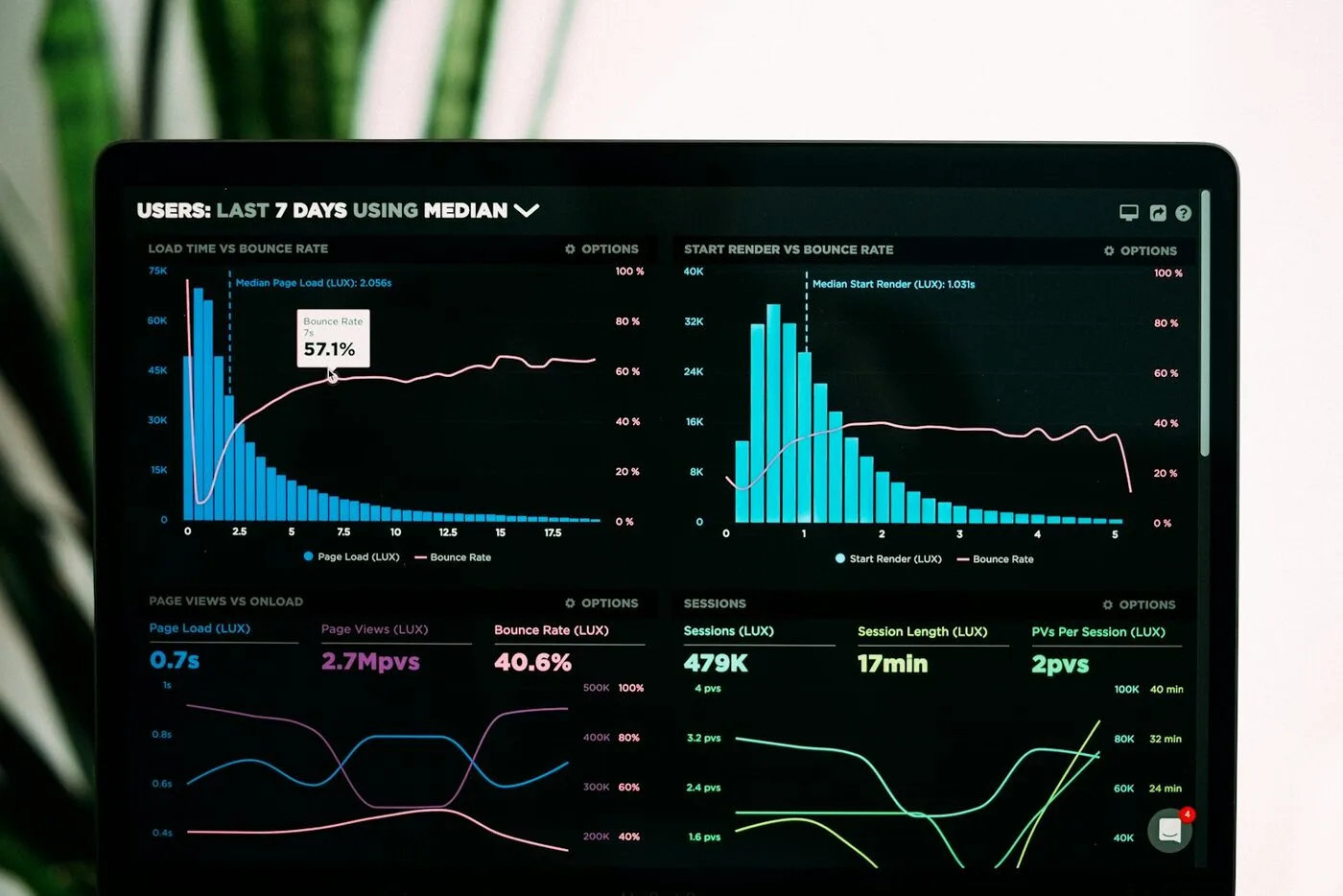
Personalization in digital marketing used to mean simple audience segmentation. A brand would group users by location, device, purchase history, or traffic source and then adjust messaging accordingly. In 2026, AI is pushing personalization into a much more dynamic and intelligent phase. Marketers can now tailor content, offers, timing, and recommendations using predictive patterns rather than static lists.
AI helps identify what users are likely to need next, what type of content they respond to, what stage of the buying journey they are in, and which messages are most likely to convert. This does not only benefit ecommerce brands. Service businesses can use the same approach to personalize lead magnets, nurture flows, landing page messaging, and retargeting ads based on behavioral signals.
The real value of hyper-personalization is relevance at scale. When audiences feel like a message reflects their actual need, engagement improves and wasted ad spend falls. But personalization also requires restraint. If it feels intrusive or overly automated, trust drops. The strongest brands use AI to improve relevance while keeping the brand voice human and credible.
4. Predictive Analytics Is Improving Marketing Decisions Before Campaigns Launch

One of AI’s most practical benefits in 2026 is predictive decision-making. Instead of waiting for campaigns to perform and then analyzing results after the fact, marketers increasingly use AI to estimate what is likely to work before launch. Predictive analytics models can help evaluate keyword opportunities, conversion likelihood, churn risk, content decay, audience quality, and budget allocation.
This trend matters because digital marketing is expensive when decisions are reactive. Poor targeting, weak offers, mistimed campaigns, and low-quality traffic all create avoidable waste. AI helps reduce that waste by revealing likely patterns sooner. For example, a team can predict which blog topics are more likely to attract qualified traffic, which leads are more likely to convert, or which channels may see performance decline under current conditions.
Predictive systems are not perfect, but they improve planning quality. When paired with human judgment, they help marketers make stronger decisions about where to invest time and money. That creates a competitive advantage, especially for teams managing multiple channels at once.
5. AI-Assisted Content Strategy Is Outpacing AI Content Spam

AI-generated content is everywhere, but not all of it is useful. The marketers winning in 2026 are not the ones producing the most articles with AI. They are the ones using AI to sharpen content strategy. That includes researching topics faster, identifying content gaps, analyzing SERP patterns, clustering related themes, and building stronger briefs before writing begins.
This is an important distinction. Many low-performing websites use AI to mass-produce content without expertise, editing, or differentiation. The result is a wave of generic pages that say little and blend into the background. Better teams use AI earlier in the workflow to improve planning, then rely on human oversight to create content that is accurate, useful, and brand-specific.
For digital marketing teams, this means the future of content is not fully automated publishing. It is intelligent content operations. AI can help identify what to publish, how to structure it, which supporting questions to answer, and how to refresh older pages. Businesses investing in content marketing services should be using AI to improve quality and consistency, not to flood their site with filler.
6. AI Search Intent Analysis Is Making Messaging More Precise
Search intent has always been important, but AI has made it easier to analyze intent across large keyword sets and customer journeys. Marketers can now use AI to distinguish between informational, commercial, transactional, and comparison-driven intent with much greater speed. This improves everything from ad copy to landing page structure to blog strategy.
When intent is misunderstood, marketing performance suffers. A page written for beginners will fail if the audience is comparing vendors. A soft educational email will underperform if the prospect is ready to book. AI helps marketers identify these mismatches earlier by analyzing query patterns, SERP characteristics, on-page behavior, and conversion signals.
Better intent analysis creates clearer messaging. That means stronger hooks, better calls to action, more relevant landing pages, and content formats that align with actual audience expectations. In a crowded market, that kind of precision can make the difference between wasted traffic and qualified pipeline.
7. AI Is Transforming Paid Media Optimization

Paid media has become more automated for years, but in 2026 AI is influencing campaign performance more deeply than ever. Bidding models, audience expansion, creative testing, budget allocation, and performance forecasting are increasingly shaped by machine learning systems. Marketers still control strategy, but the platforms now handle far more optimization automatically.
The advantage is efficiency. AI can analyze large datasets much faster than a human media buyer and spot patterns in performance that would otherwise be missed. It can test combinations of creative, placements, audiences, and formats at a scale that manual optimization cannot match. But this also creates a new challenge: marketers must understand how to guide automation rather than surrender blindly to it.
The strongest paid campaigns still depend on clear goals, conversion tracking accuracy, persuasive messaging, and good creative. AI can improve the system, but it cannot fix a weak offer or a confused landing page. That is why paid media performance increasingly depends on broader digital strategy, not only ad platform skill.
8. Conversational Marketing Is Becoming More Intelligent
AI-powered chat experiences are changing how businesses capture and qualify demand. Instead of static forms and generic chatbot scripts, brands can now use conversational systems that understand intent better, provide useful responses, qualify leads, and route visitors based on actual needs. This is especially powerful for service businesses with complex offers or longer buying cycles.
Conversational marketing works best when it feels helpful rather than obstructive. AI allows brands to answer common questions, recommend relevant services, guide users toward the right next step, and collect high-signal lead information without forcing visitors through a rigid process. Done well, it reduces friction and improves conversion quality.
The key is to use conversation as an extension of brand clarity, not as a gimmick. Businesses should train conversational systems around real customer questions, service positioning, and proper handoff paths. If the AI layer simply creates more confusion, it hurts the experience. If it improves clarity and speed, it becomes a major revenue lever.
9. AI Is Raising the Bar for Email Marketing Automation
Email marketing is no longer just about scheduling a welcome flow and a monthly newsletter. AI is helping brands improve timing, segmentation, subject lines, lifecycle triggers, and content relevance in ways that make email more adaptive. In 2026, smarter email systems can identify when a subscriber is likely to engage, what messages are more likely to convert, and which users are at risk of disengaging.
This matters because email remains one of the highest ROI channels in digital marketing, but only when it stays relevant. Generic broadcasts are easier than ever to ignore. AI allows marketers to move toward behavior-driven email flows that respond to actual user signals instead of static assumptions.
That does not mean every email should sound machine-written. The best email programs still need strong positioning, clear offers, and a recognizable voice. AI helps with optimization and pattern detection, but the message still needs to feel intentional.
10. AI-Driven Creative Testing Is Accelerating Ad and Landing Page Improvement
Creative performance used to depend heavily on guesswork and slow test cycles. AI is speeding this up by helping marketers evaluate which headlines, visuals, hooks, and page elements are most likely to perform. This applies across paid social ads, search ads, landing pages, product pages, and even organic social posts.
Instead of relying only on intuition, teams can now use AI to generate hypotheses, identify underperforming assets, surface likely winners, and test more efficiently. This improves iteration speed and lowers the cost of learning. For creative teams, the real gain is not automation for its own sake. It is faster feedback on what actually resonates.
This trend is especially powerful when tied to conversion rate optimization. The creative and the destination page should work together, not as isolated assets. Businesses looking to improve lead quality and campaign ROI should connect AI-led testing with conversion rate optimization services rather than treating performance issues as ad problems alone.
11. AI Workflow Automation Is Reducing Operational Friction

Many of the most valuable AI gains in digital marketing are not public-facing. They happen behind the scenes in workflows. AI can now summarize meetings, classify leads, tag content, generate reporting drafts, audit metadata, flag anomalies, route tasks, and assist with campaign setup. These operational improvements do not always look flashy, but they compound over time.
Marketing teams lose a large amount of energy to repetitive tasks that do not directly create growth. AI workflow automation helps recover that energy so strategists, writers, analysts, and account teams can focus more on high-leverage work. It also improves consistency by reducing manual oversight gaps.
This is where automation needs to be designed carefully. Bad automation creates clutter, duplicate work, or errors at scale. Good automation removes friction while preserving accountability. Businesses exploring AI automation services should think beyond chatbots and look at how internal marketing processes can become cleaner and more scalable.
12. Social Media Strategy Is Becoming More Signal-Driven
Social platforms generate huge volumes of trend, comment, engagement, and audience data. AI is helping marketers process that data faster and turn it into actionable strategy. Instead of reacting only to visible metrics like likes and shares, brands can use AI to identify topic momentum, content themes, sentiment shifts, creator opportunities, and posting patterns that influence performance.
This is especially useful as social platforms become more crowded and algorithmically selective. Teams need to understand not just what content performed, but why it performed and how to translate those insights into future campaigns. AI can help identify repeatable patterns without relying on shallow vanity metrics alone.
For businesses relying on organic reach, paid amplification, or brand authority through social channels, this creates a more strategic model for content planning. Paired with a strong social media marketing strategy, AI can make social campaigns more focused and less reactive.
13. Brand Safety, Accuracy, and Trust Are Becoming AI-Era Differentiators

As more marketing teams adopt AI, trust becomes a bigger differentiator. Audiences are becoming more aware of synthetic content, low-value automation, and overproduced messaging. That means the brands that win are not necessarily the ones using the most AI. They are the ones using it responsibly.
In practical terms, that means fact-checking content, maintaining a real editorial standard, avoiding manipulative personalization, and making sure automation does not create false promises or poor experiences. Trust also matters in areas like search, reviews, landing pages, and AI-assisted sales messaging. If the brand sounds polished but feels hollow, performance eventually suffers.
This is especially important for agencies and service businesses. Buyers in these categories need confidence, not just polished copy. AI should support credibility, not undermine it. Responsible AI use is becoming both an operational discipline and a brand positioning advantage.
14. First-Party Data Strategy Is Becoming More Valuable With AI
As privacy expectations rise and third-party tracking becomes less dependable, first-party data becomes more useful when paired with AI. Businesses that collect better consented data through forms, CRM systems, site behavior, purchases, and customer support interactions can use AI to build stronger segments, identify patterns, and improve lifecycle marketing.
The important shift is not just having data. It is making that data useful. AI can help marketers classify leads, predict churn, segment customers by behavior, and uncover opportunities that would otherwise remain hidden inside messy datasets. This makes first-party data strategy more actionable and more commercially valuable.
For digital marketing leaders, this trend is a reminder that owned data and owned channels are strategic assets. Brands that rely entirely on external platforms for audience insight will have less control and weaker long-term leverage.
15. Human-Led Strategy Is Becoming More Valuable, Not Less

One of the most misunderstood ideas about AI in digital marketing is that it reduces the need for strategic thinking. In reality, the opposite is happening. As more execution becomes automated, strategic judgment becomes more important. Teams still need to decide what matters, what not to automate, how to differentiate, and where the brand should compete.
AI can produce drafts, models, analyses, and recommendations. It cannot define a business’s true market position, long-term brand vision, or commercial trade-offs. Those decisions still require human leadership. In 2026, the best marketers are not competing with AI. They are using AI to free up time for better strategic work.
This is the real pattern beneath all the trends above. AI is not replacing digital marketing. It is reshaping how good digital marketing gets done. The brands that combine intelligent automation with strong human judgment will build more durable growth than those who automate everything without direction.
How Businesses Should Respond to AI Trends in 2026
The smartest response to these AI trends is not to chase every new feature. It is to build a stronger operating model. Businesses should start by identifying which channels matter most to revenue, where inefficiencies are slowing growth, and where AI can create real leverage. For some brands, that may be SEO and content. For others, it may be paid media, CRM automation, or lead qualification.
Then the work becomes practical. Improve site structure and content quality for AI-shaped search. Use first-party data more intelligently. Build cleaner workflows. Strengthen personalization without overdoing it. Test faster. Measure more accurately. And most importantly, keep editorial and strategic control in human hands.
Companies that do this well will not just be more efficient. They will be more relevant. In an environment where generic marketing is easy to produce, relevance and trust become the real advantage.
Conclusion: AI Trends Are Transforming Digital Marketing, but Strategy Still Wins
Emerging AI trends are transforming digital marketing in 2026 by making search smarter, personalization more dynamic, content strategy more efficient, paid media more automated, and reporting more predictive. These changes are already influencing how customers discover brands, how teams execute campaigns, and how businesses measure results.
But the most important lesson is simple. AI is not the strategy. It is the amplifier. If a brand has clarity, discipline, and strong positioning, AI can help it move faster and perform better. If a brand lacks those foundations, AI will only scale confusion.
The future belongs to marketing teams that know how to combine human judgment with intelligent systems. That means better content, stronger search visibility, more useful personalization, cleaner operations, and more trustworthy brand experiences. Businesses that adapt now will be better positioned to compete not just in 2026, but in the years immediately after it.