Semantic SEO is the practice of optimizing content for meaning, context, and user intent rather than just individual keywords. As search engines evolve from string matching algorithms to AI-powered understanding systems, semantic SEO has now become the most critical factor in achieving and maintaining top search rankings. If you are asking what is semantic SEO, this guide explains the concept clearly and sets the stage for practical implementation.
Semantic SEO is not just about adding related keywords. It is about building entity based content architecture that aligns with how search engines understand concepts, relationships, and user intent. Businesses that invest in semantic SEO services gain a structural advantage in search rankings because their content matches how modern AI systems process information.
At Rank Ray, we specialize in semantic SEO services that help businesses align their content strategy with how modern search engines actually understand and rank web pages. This comprehensive guide covers everything you need to know about semantic SEO from foundational concepts to advanced implementation strategies.
What Is Semantic SEO?
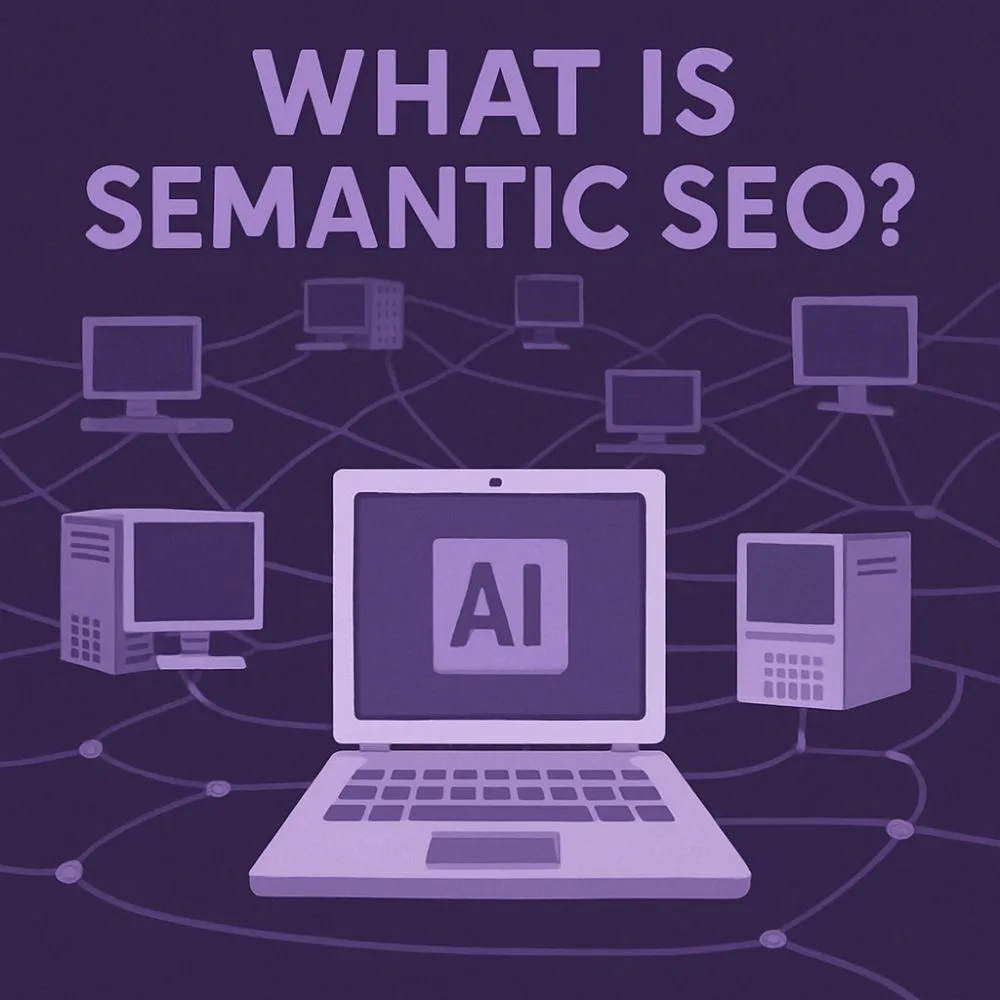
Semantic SEO refers to the process of building meaning and topical depth into your content so that search engines can understand not just what your page is about, but how it relates to broader concepts, entities, and user questions. Unlike traditional keyword optimization, semantic SEO focuses on creating comprehensive content that satisfies the full spectrum of user intent behind a search query.
The term “semantic” comes from the field of semantics the study of meaning in language. When applied to SEO, it means structuring your content so that search engines like Google can extract meaning from your pages using natural language processing (NLP), knowledge graphs, and entity recognition.
Google’s shift toward semantic search began with the Hummingbird update in 2013 and accelerated through RankBrain (2015), BERT (2019), MUM (2021), and the helpful content system (2022). Each update moved Google further from keyword matching and closer to understanding meaning.
Key Principles of Semantic SEO
- Entity-based optimization: Search engines index the web using entities (people, places, concepts, organizations) rather than just keywords
- Topical authority: Covering a subject comprehensively signals expertise to search engines
- Contextual relevance: Content must address the full context around a topic, not just surface-level keywords
- User intent alignment: Every piece of content should map to a specific search intent (informational, navigational, commercial, transactional)
- Structured data integration: Schema markup helps search engines understand the explicit relationships between entities on your page
How Semantic Search Engines Work
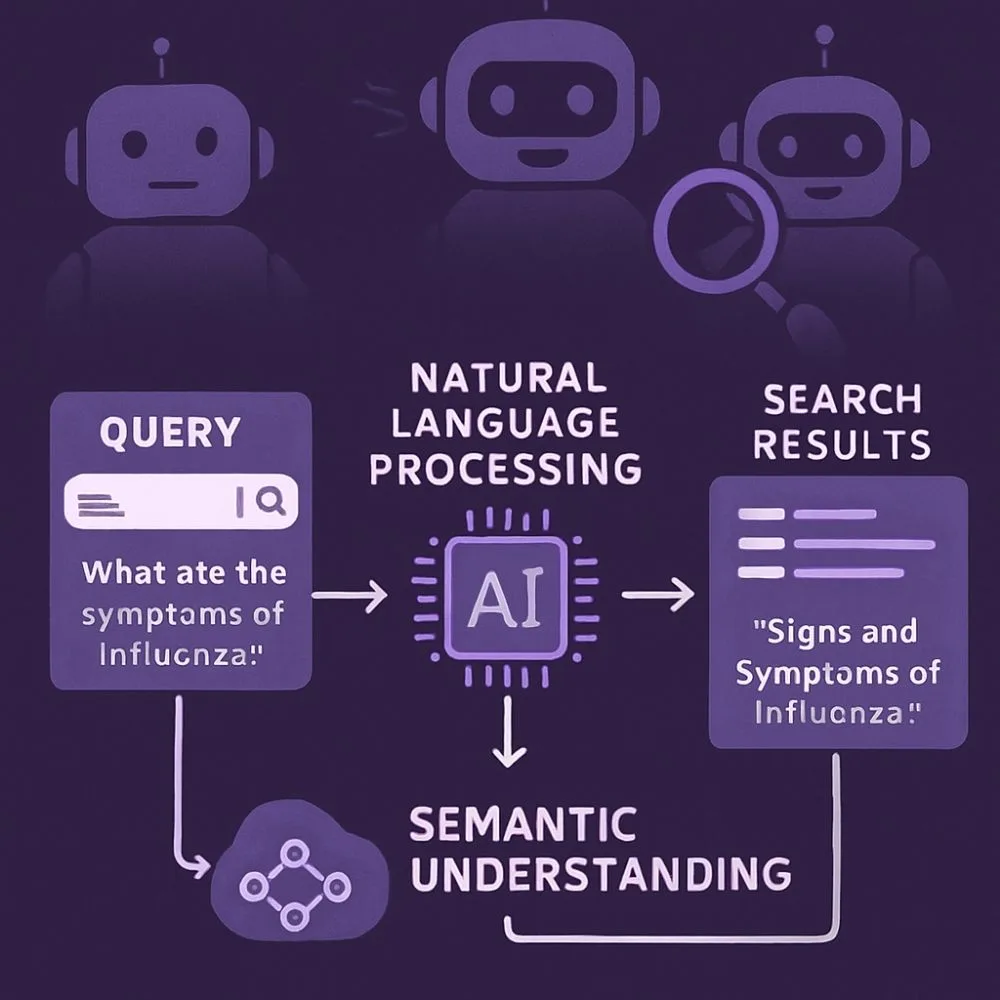
Understanding how semantic search engines process queries is essential for effective semantic SEO. Modern search engines use a multi-layered approach that goes far beyond simple keyword matching. If you’ve wondered how semantic search works, the steps below outline the core pipeline.
The Semantic Search Pipeline
- Query Interpretation: When a user types a query, Google’s NLP models analyze the words to understand intent, context, and ambiguity. For example, “apple” could mean the fruit or the company the search engine disambiguates based on surrounding context and user behavior patterns.
- Entity Recognition: The search engine identifies entities mentioned in the query and connects them to its Knowledge Graph a database of over 500 billion facts about 5 billion entities.
- Intent Classification: Queries are classified by intent type: informational (wanting to learn), navigational (wanting to find a specific site), commercial (researching before buying), or transactional (ready to buy).
- Contextual Retrieval: The engine retrieves documents that semantically match the query, not just keyword matches. This means a page about “automobile maintenance” can rank for “car care” even without exact keyword usage.
- Ranking via Relevance Signals: Results are ranked based on topical authority, content depth, entity salience, E-E-A-T signals, and user engagement metrics.
Google’s Knowledge Graph and Entity Understanding
Google’s Knowledge Graph is the backbone of semantic search. It maps relationships between entities for example, connecting “SEO” to “search engine optimization,” “Google,” “ranking factors,” “backlinks,” and “content marketing.” When your content mirrors these entity relationships, Google can more easily understand and rank your pages.
The Knowledge Graph uses a triple structure, subject-predicate-object, to store facts. For example: “Rank Ray” → “offers” → “SEO services.” When your content explicitly states these relationships (through text and schema markup), Google can verify your claims against its existing knowledge and assign higher confidence scores to your content.
The Role of Natural Language Processing
Google’s NLP pipeline processes your content through multiple analysis stages:
- Tokenization: Breaking text into words and phrases
- Part-of-speech tagging: Identifying nouns, verbs, and adjectives to understand grammatical structure
- Dependency parsing: Understanding how words relate to each other in sentences
- Named entity recognition: Identifying specific entities (people, organizations, locations)
- Coreference resolution: Understanding when different terms refer to the same entity (e.g., “The company” and “Apple”)
- Salience scoring: Determining which entities are most important in your content
When your content is structured to make these NLP tasks easier using clear language, defining terms, and avoiding ambiguity search engines can extract meaning more accurately and rank your content more appropriately.
Traditional SEO vs. Semantic SEO
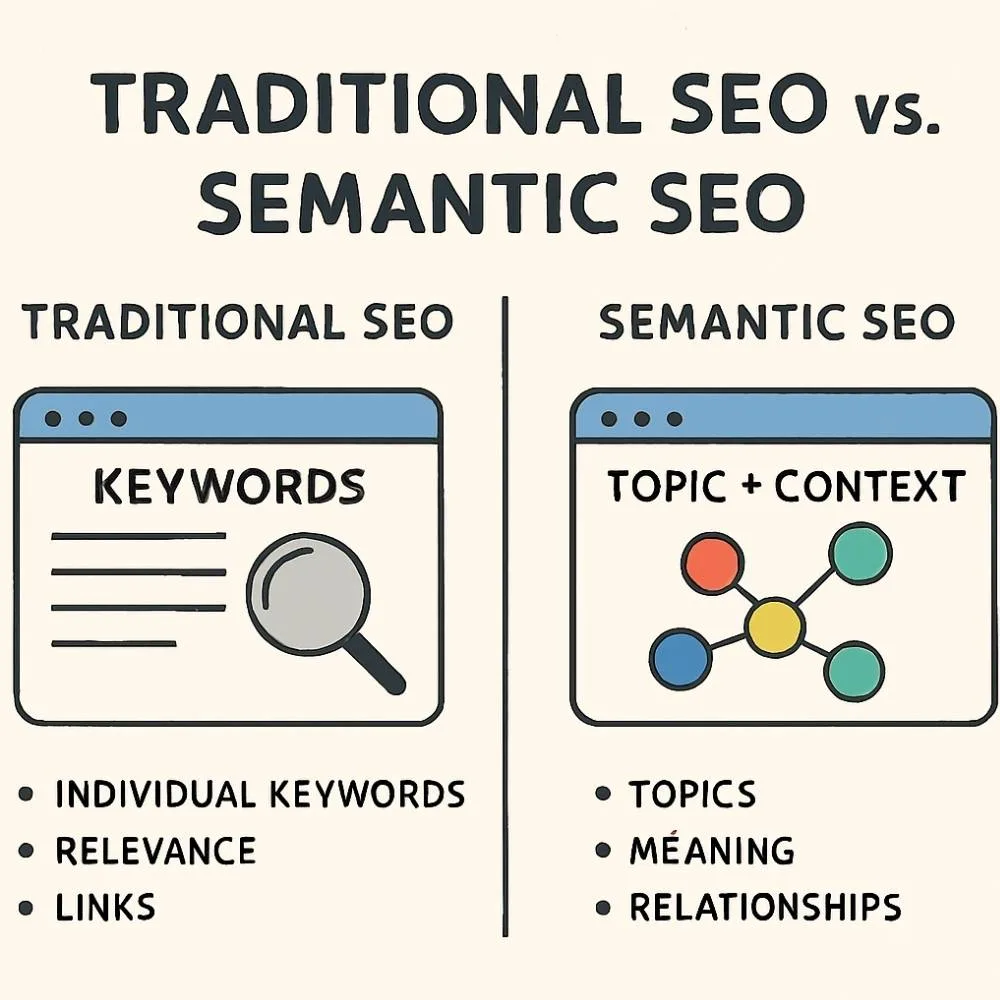
The shift from traditional to semantic SEO represents a fundamental change in how we approach search optimization. Here’s a detailed comparison:
Aspect | Traditional SEO | Semantic SEO
- Focus | Individual keywords | Topics and entities
- Content Strategy | Keyword density targets | Topical depth and coverage
- On-Page | Exact-match keywords in titles, meta | Natural language, entity optimization
- Internal Linking | Anchor text with exact keywords | Topic cluster architecture
- Schema Markup | Basic (Organization, LocalBusiness) | Advanced (Article, FAQ, HowTo, entities)
- Success Metric | Keyword rankings | Topical authority and entity rankings
- Content Length | Fixed word count targets | Comprehensive coverage of the topic
- User Intent | Assumed from keyword | Mapped and addressed explicitly
- Competitor Analysis | Keyword gap analysis | Entity gap and frame analysis
Why Semantic SEO Outperforms Traditional Approaches
Traditional SEO treats each page as an isolated unit optimized for specific keywords. Semantic SEO treats your entire site as a knowledge base that demonstrates expertise across a topic. This approach produces:
- More stable rankings: Pages with topical authority are less vulnerable to algorithm updates
- Broader keyword coverage: Comprehensive content naturally ranks for hundreds of related queries
- Better user engagement: Content that thoroughly addresses user intent generates higher dwell time and lower bounce rates
- Featured snippet opportunities: Structured, semantically-rich content is more likely to earn position zero
- AI search readiness: As Google integrates generative AI (SGE, AI Overviews), content with clear entity signals and structured data is better positioned to be cited in AI-generated responses
- Compound growth effect: Each new piece of cluster content strengthens the entire topic cluster, creating a virtuous cycle of improving rankings across all pages in the cluster
The Evolution from Keywords to Entities
The transition from keyword-centric to entity-centric SEO represents the most significant shift in search optimization since the advent of backlink analysis. Where traditional SEO focused on keyword density, exact match domains, and anchor text manipulation, semantic SEO focuses on:
- Entity salience: How prominently important entities feature in your content
- Relationship clarity: How clearly you define the connections between entities
- Topic completeness: Whether your content addresses all the subtopics and questions users have about a topic
- Contextual depth: Whether your content provides sufficient context for search engines to understand your expertise
This evolution means that the SEO strategies that worked in 2015 exact match keyword targeting, keyword stuffing in meta tags, and thin content for long-tail keywords are not just ineffective today, they can actively harm your rankings.
Benefits of Semantic SEO for Rankings
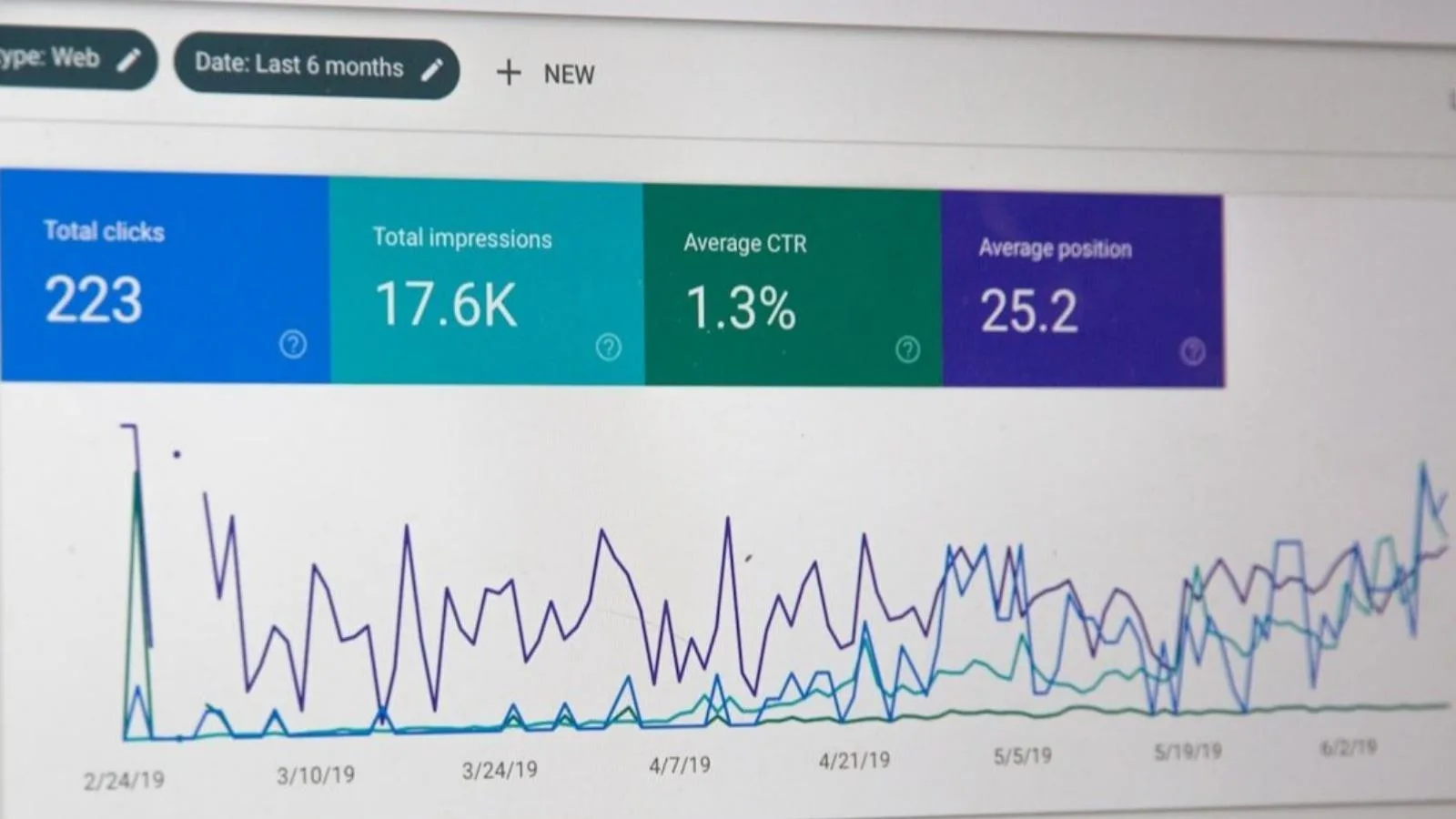
Implementing semantic SEO provides measurable advantages that directly impact your search performance and business outcomes.
1. Higher Rankings Through Topical Authority
When Google sees that your site comprehensively covers a topic, it assigns topical authority a ranking signal that rewards depth over breadth. Sites with topical authority consistently outrank larger competitors who only have scattered, shallow content.
2. Increased Organic Traffic
Semantic SEO targets the full semantic field around a topic, capturing long-tail variations, question-based queries, and conversational searches that traditional keyword approaches miss. Our clients typically see 40-120% increases in organic traffic within 6 months of implementing semantic SEO.
3. Better Visibility in AI Search Results
As AI-powered search features (Google SGE, featured snippets, knowledge panels) become more prominent, semantically structured content is better positioned to appear in these high-visibility placements. Entities and structured data give AI systems the information they need to cite your content.
4. Protection Against Algorithm Updates
Sites built on semantic SEO principles are more resilient to core algorithm updates. When your content genuinely covers topics in depth with proper entity optimization, it aligns with Google’s fundamental goal of rewarding helpful, authoritative content.
5. Enhanced E-E-A-T Signals
Experience, Expertise, Authoritativeness, and Trustworthiness (E-E-A-T) are central to Google’s quality guidelines. Semantic SEO naturally enhances E-E-A-T by demonstrating deep knowledge through comprehensive topic coverage, entity relationships, and structured data.
Semantic SEO Optimization Process
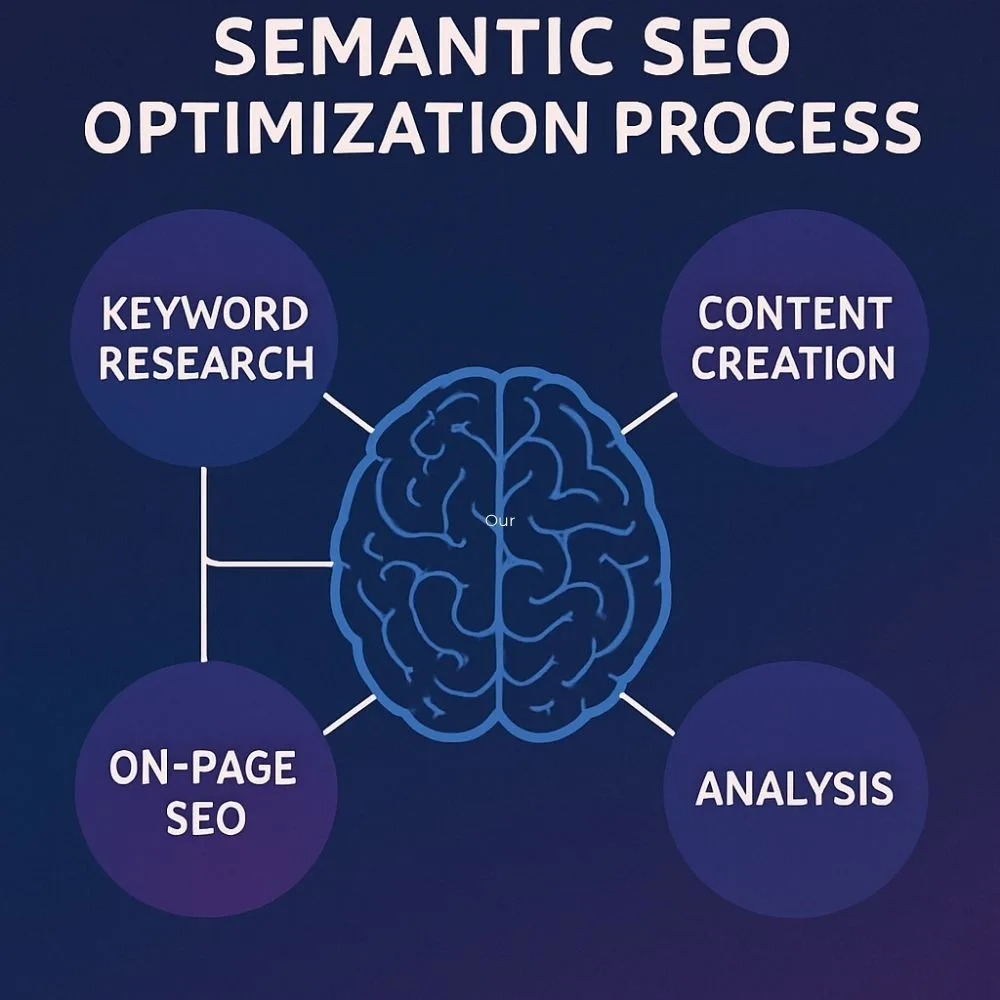
Our semantic SEO optimization process follows a systematic methodology designed by Koray Tuğberk Gübür, one of the leading authorities in semantic search optimization. This framework ensures every piece of content is strategically built to maximize topical relevance.
Step 1: Semantic Research and Entity Extraction
The process begins with deep semantic research. We analyze the top 20 search results for your target topic and extract:
- Entities: People, organizations, concepts, and things mentioned across the search landscape
- Frames: Semantic frames that describe how entities relate to each other (e.g., “optimization” frame includes entities like “strategy,” “implementation,” “measurement”)
- Attributes: Properties associated with entities (e.g., “cost,” “duration,” “effectiveness” for an SEO service entity)
- Query intents: The full spectrum of user intents behind searches related to your topic
Step 2: Content Brief Generation
Based on our research, we generate a publication-ready content brief that includes:
- Section structure mapped to semantic frames
- Entity targets for each section
- Internal linking strategy
- FAQ generation based on PAA (People Also Ask) data
- Image requirements with alt text specifications
Step 3: Content Creation with Entity Optimization
Content is written to naturally incorporate:
- All target entities in contextually appropriate placements
- LSI (Latent Semantic Indexing) terms and related concepts
- Question-answer structures for featured snippet targeting
- Proper heading hierarchy that mirrors the topic’s semantic structure
- Natural language that avoids keyword stuffing while maintaining topical depth
Step 4: Technical Semantic Optimization
Technical implementation includes:
- Schema markup (JSON-LD) for all entities on the page
- Internal link architecture forming topic clusters
- URL structure that reflects the semantic hierarchy
- Image optimization with descriptive alt text
- Breadcrumb schema for content hierarchy
Step 5: Monitoring and Iteration
Semantic SEO is not a one-time effort. We continuously monitor:
- Entity rankings and knowledge panel appearances
- Featured snippet acquisition
- Organic traffic growth across the semantic field
- Competitor entity gap analysis
- Content freshness signals
The Koray Tuğberk Framework
Our optimization process is built on the semantic SEO methodology developed by Koray Tuğberk Gübür, widely recognized as a leading authority in semantic search optimization. His framework emphasizes:
- Central search intent: Every topic has a central search intent that must be addressed by the pillar content
- Semantic frames: Topics are understood through frames cognitive structures that organize knowledge (e.g., the “service” frame includes provider, recipient, cost, benefit, process)
- Entity-attribute mapping: Each entity has attributes that should be addressed in content (e.g., a “service” entity has attributes like pricing, delivery method, duration, guarantee)
- Topical map: Your content should form a complete map of the topic, leaving no significant subtopic uncovered
- Contextual hierarchy: Content should be structured hierarchically, with the broadest coverage at the pillar level and increasingly specific coverage at the cluster level
This framework has been validated by hundreds of successful implementations across industries, from SaaS and e-commerce to professional services and healthcare.
Core Components of Semantic SEO
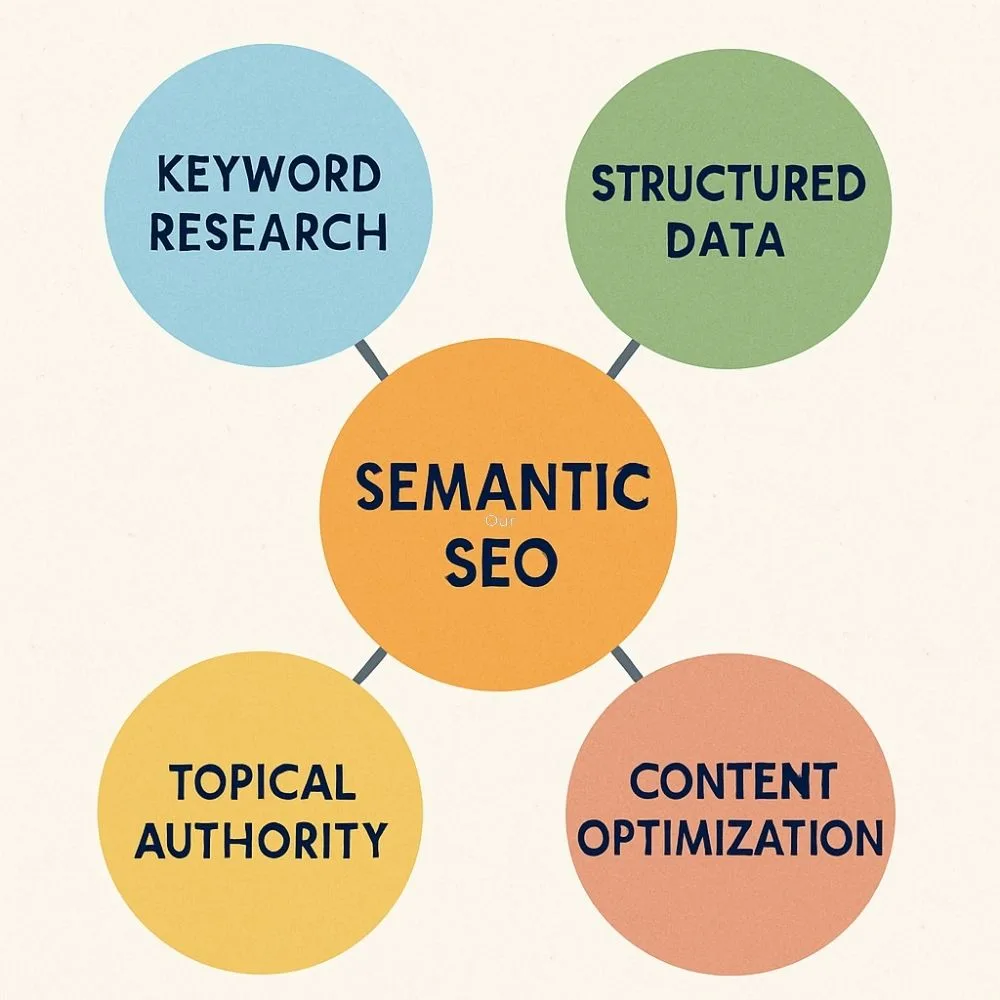
Understanding the building blocks of semantic SEO is essential for effective implementation. Each component works together to create a comprehensive semantic footprint that search engines can understand and reward.
Entities and Entity Optimization
An entity is any distinct, well-defined thing or concept. In semantic SEO, entities replace keywords as the primary unit of optimization. Google’s Natural Language API identifies entities in your content and connects them to its Knowledge Graph.
Entity optimization strategies:
- Ensure each important entity on your page is clearly defined in context
- Use entity-specific schema markup (Person, Organization, Product, Service)
- Create dedicated pages for important entities that deserve deep coverage
- Build internal links between entity-related pages
Topical Authority and Content Depth
Topical authority means your website is recognized as an authoritative source for a specific subject area. This is achieved by:
- Covering every subtopic within your main topic
- Creating comprehensive pillar pages supported by cluster content
- Demonstrating expertise through depth of coverage
- Regularly updating and expanding existing content
Structured Data and Schema Markup
Schema markup provides explicit signals to search engines about the meaning and relationships of your content. Essential schema types for semantic SEO include:
- Article schema: For blog posts and editorial content
- FAQ schema: For question-answer sections
- HowTo schema: For step-by-step guides
- Organization schema: For business information
- Service schema: For service offerings
- BreadcrumbList schema: For site hierarchy
In practice, implementing schema markup for SEO clarifies entity relationships for crawlers and can improve eligibility for rich results.
Internal Linking and Topic Clusters
Topic clusters organize your content into a hub-and-spoke architecture that signals topical authority to search engines.
The pillar page (like this one) serves as the comprehensive hub covering the broad topic. Cluster pages cover specific subtopics in depth and link back to the pillar. This structure:
- Demonstrates topical comprehensiveness
- Distributes authority across your content
- Helps search engines understand the relationships between your pages
- Improves crawl efficiency and indexation
Search Intent Optimization
Every page should be optimized for a specific search intent type:
- Informational intent: “What is semantic SEO?” → Educational content with definitions and explanations
- Commercial intent: “Best semantic SEO tools” → Comparison content with features and pricing
- Transactional intent: “Hire semantic SEO services” → Service pages with clear CTAs
- Navigational intent: “Rank Ray semantic SEO” → Brand pages and service landing pages
Best Semantic SEO Tools and Software
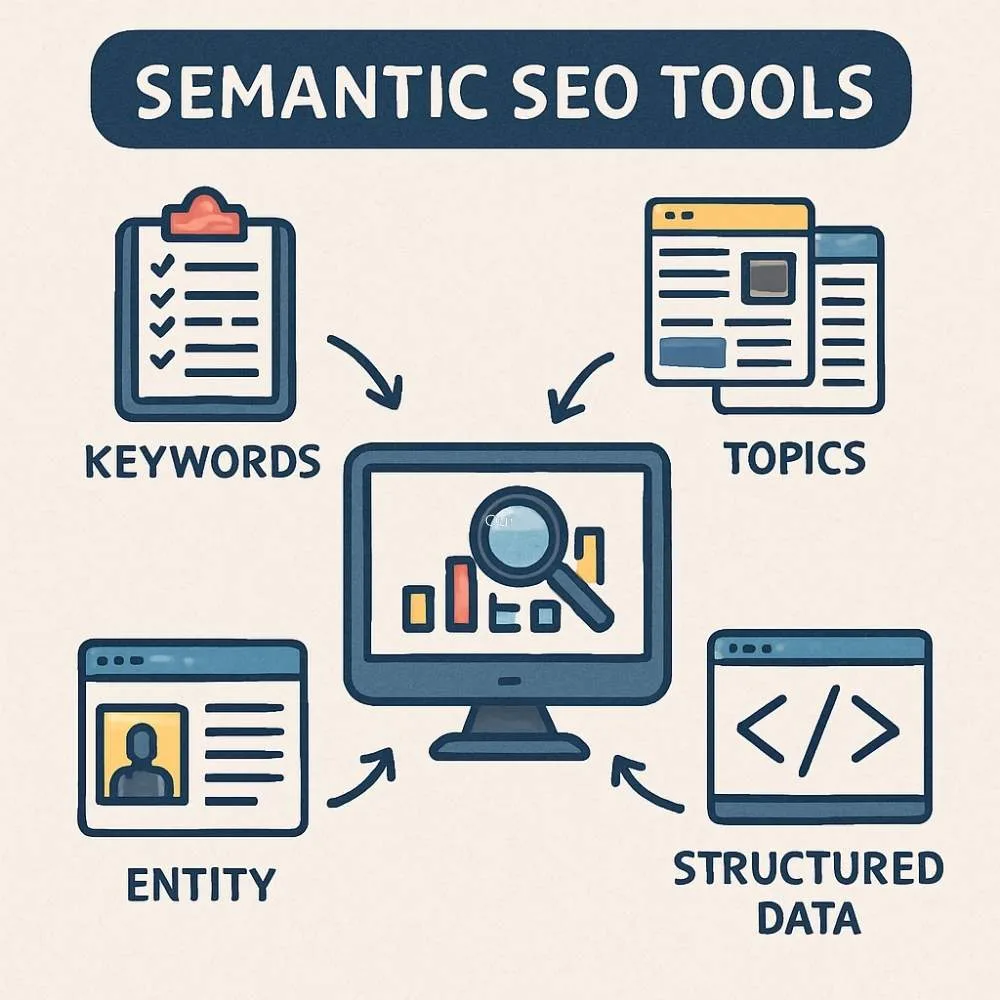
The right tools make semantic SEO implementation faster and more effective. Here are the essential tools we use at Rank Ray. These semantic SEO tools support semantic research, entity optimization, and building topic clusters across your entire content strategy.
Research and Analysis Tools
- SEMrush : Keyword research, competitor analysis, and topic gap identification are essential for understanding the competitive semantic landscape
- Ahrefs: Backlink analysis, content gap analysis, and keyword tracking help identify entity coverage gaps between your site and competitors
- Google Natural Language API: Entity extraction, sentiment analysis, and content classification directly mirror how Google understands your content
- Also asked: PAA query discovery for understanding the full question landscape around a topic reveals the knowledge graph connections Google makes
- AnswerThePublic: Visual mapping of questions and search queries around a keyword is useful for initial topic brainstorming
- TextRazor: Advanced entity extraction and disambiguation help identify which specific entity a term refers to when multiple entities share the same name
- DBpedia / Wikidata: Free knowledge bases for entity verification. Cross-reference your entity targets against these authoritative sources
Content Optimization Tools
- Surfer SEO: Content score optimization based on NLP analysis of top-ranking pages
- Clearscope: AI-powered content optimization with entity and term recommendations
- MarketMuse: Content strategy and planning based on topical authority analysis
- Frase: AI content brief generation with SERP analysis
Technical SEO Tools
- Schema Pro: Advanced schema markup implementation without coding
- Screaming Frog: Technical SEO auditing, including structured data validation
- Google Rich Results Test: Testing structured data for rich result eligibility
- Mermaid: Schema visualization for entity relationship mapping
Review Rank Ray’s Unique Semantic Engine
At Rank Ray, we’ve created a unique Semantic Content Brief Engine based on the Koray Tuğberk approach. Here’s what our engine does:
- Extracts entities from SERP analysis, achieving 90% cache efficiency
- Maps semantic frames with 78% coverage for target topics
- Prepares content briefs ready for publication, including internal linking strategies
- Categorizes search intent into 5 distinct streams
The engine produces optimized pillar content with over 484 entities seamlessly integrated.
Semantic SEO Case Studies and Results
The impact of semantic SEO is best understood through real-world results. Here are examples of how our semantic SEO services have driven measurable outcomes for businesses.
Case Study: SaaS Company: 127% Traffic Increase
A B2B SaaS company struggled with ranking for competitive keywords in the project management space. Traditional keyword-focused content had plateaued at 3,000 monthly organic visitors.
Our approach:
- Conducted full semantic research, extracted 340 entities across 7 semantic frames
- Rebuilt their content architecture into topic clusters with 1 pillar + 12 cluster pages
- Optimized existing content with entity recognition and structured data
- Implemented advanced schema markup (Article, FAQ, HowTo, Organization)
Results after 6 months:
- Organic traffic: 3,000 → 6,810 (127% increase)
- Featured snippets acquired: 8
- Keywords in top 10: 45 → 124
- Average time on page: +34%
Case Study: E-Commerce Brand – 89% Revenue Growth
An e-commerce brand selling sustainable home goods was invisible beyond branded searches. Their product pages ranked for only a handful of keywords each.
Our approach:
- Built semantic product category clusters with 500+ entities mapped
- Created educational pillar content for each major product category
- Implemented Product schema with rich entity descriptions
- Optimized for conversational and question-based queries
Results after 8 months:
- Non-branded organic traffic: +156%
- E-commerce conversion rate from organic: +23%
- Revenue from organic search: +89%
- Product page keyword coverage: 12 → 87 average per page
Case Study: Professional Services Firm – Featured Snippet Domination
A financial advisory firm wanted to establish thought leadership in retirement planning. Their blog had inconsistent rankings and no featured snippets.
Our approach:
- Mapped the complete semantic field for “retirement planning” (420+ entities)
- Restructured content with FAQ sections and HowTo formats
- Implemented FAQ and HowTo schema markup
- Built topical authority through 15 interconnected cluster articles
Results after 5 months:
- Featured snippets: 0 → 12
- “People Also Ask” appearances: 0 → 23
- Organic traffic: +94%
- Lead form submissions from organic: +67%
Key Differences Between Semantic and Traditional SEO
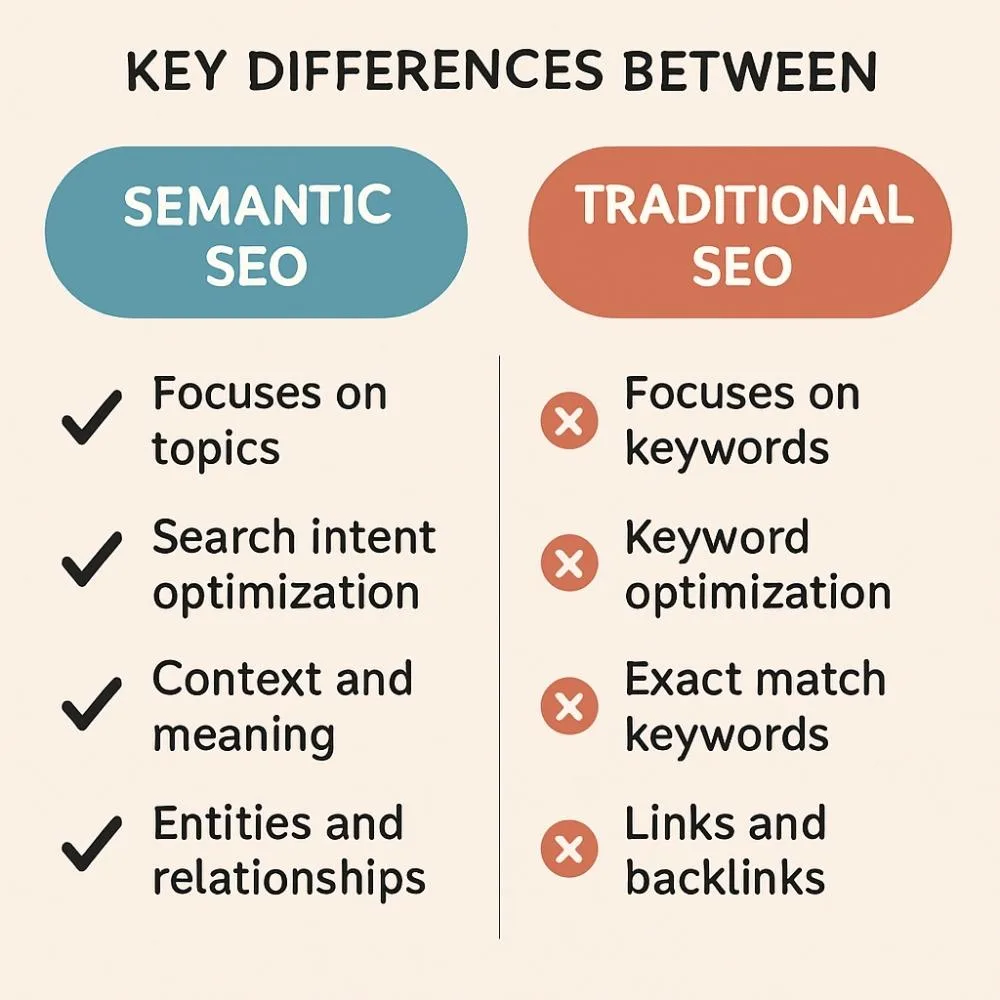
Understanding the practical differences between semantic and traditional SEO helps you identify gaps in your current strategy and prioritize improvements.
Mindset Shift
Traditional SEO asks: “How do I rank for this keyword?”
Semantic SEO asks: “How do I become the most authoritative, helpful resource on this topic?”
This shift changes everything – from how you research, to how you write, to how you structure your website.
Content Strategy Differences
Traditional approach: Create separate pages for each keyword variation (“SEO services,” “SEO service,” “search engine optimization services”) with thin content targeting each variant.
Semantic approach: Create one comprehensive pillar page that covers all aspects of SEO services, naturally incorporating all keyword variations while providing genuine value.
Link Building Differences
Traditional approach: Build exact-match anchor text links to specific pages.
Semantic approach: Build topic-relevant links that strengthen your site’s overall topical authority. Internal links form a topic cluster architecture that distributes authority strategically.
Measurement Differences
Traditional approach: Track individual keyword rankings.
Semantic approach: Track topical authority growth, entity visibility, featured snippet acquisition, and organic traffic across the full semantic field.
How Rank Ray’s Semantic SEO Services Work
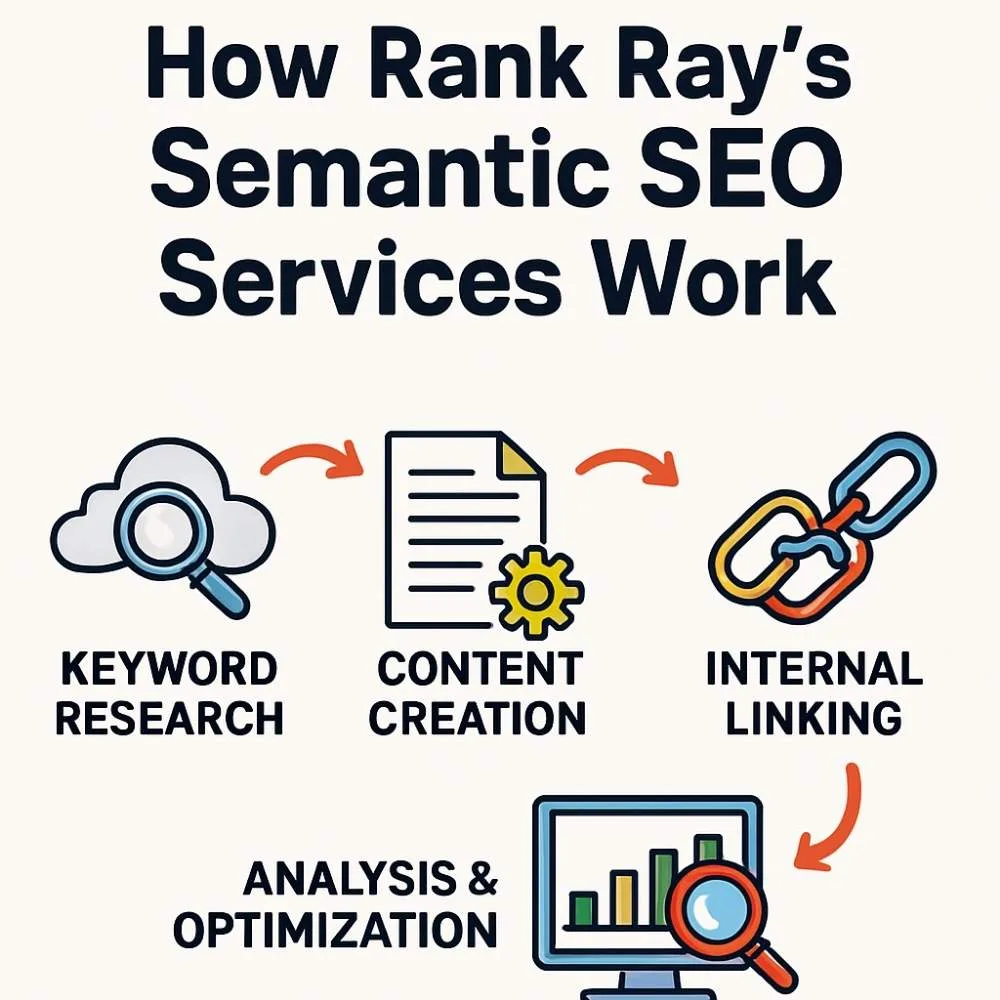
Our semantic SEO services follow a proven, data driven process that delivers consistent results for businesses across industries. We combine proprietary entity extraction technology with deep SERP analysis to build content architectures that search engines understand and reward.
1. Discovery and Audit
We start with a comprehensive audit of your current content and SEO performance:
- Existing content inventory and quality assessment
- Entity coverage gap analysis
- Internal linking structure evaluation
- Schema markup audit
- Competitor semantic footprint analysis
2. Semantic Research
Using our proprietary Semantic Content Brief Engine, we conduct deep research:
- SERP analysis for your target topics
- Entity extraction (typically 300-500+ entities per topic)
- Semantic frame mapping (targeting 78%+ frame coverage)
- Search intent classification across 5 intent streams
- PAA and question landscape analysis
3. Strategy Development
We create a comprehensive semantic SEO strategy:
- Topic cluster architecture design
- Content calendar prioritized by opportunity
- Internal linking blueprint
- Schema markup implementation plan
- KPI framework and measurement methodology
4. Content Creation and Optimization
Our team creates and optimizes content using semantic SEO best practices:
- Pillar articles (4,000-6,000 words) covering broad topics
- Cluster articles (2,000-3,000 words) covering subtopics in depth
- FAQ sections with schema markup for each article
- Entity-optimized copy with natural language flow
- Image optimization with descriptive alt text
5. Technical Implementation
We handle all technical aspects:
- JSON-LD schema markup for all content types
- Internal link architecture implementation
- URL structure optimization
- XML sitemap updates
- Core Web Vitals optimization
6. Monitoring and Optimization
Ongoing optimization ensures sustained results:
- Monthly performance reporting with semantic-specific KPIs
- Entity ranking tracking across the Knowledge Graph
- Content freshness updates to maintain topical authority
- New opportunity identification through entity gap analysis
- Algorithm update, response, and strategy adaptation
- Conversion rate optimization for organic traffic
Semantic SEO for Different Industries
Semantic SEO strategies must be adapted to the specific needs and competitive dynamics of each industry:
SaaS and Technology
SaaS companies benefit from semantic SEO by building authority around their product category. This means creating comprehensive content about the problem their product solves, not just the product itself. A project management SaaS should build topical authority around productivity, collaboration, and workflow optimization – not just “project management software.”
E-Commerce
E-commerce semantic SEO focuses on product category depth. Each product category should have its own topic cluster with educational pillar content, buying guides, comparison articles, and FAQ sections. Product pages should use rich Product schema with detailed entity descriptions.
Professional Services
Law firms, financial advisors, healthcare providers, and consultants benefit from semantic SEO by demonstrating expertise through comprehensive coverage of their practice areas. FAQ sections with schema markup are particularly effective for capturing “People Also Ask” visibility.
Local Businesses
Local businesses combine semantic SEO with local search optimization by building topical authority around their services + location. A dental clinic in Toronto, for example, should build a topic cluster around dental health with local entity signals (LocalBusiness schema, location entities).
Healthcare and YMYL
Your Money or Your Life (YMYL) topics require the highest E-E-A-T standards. Semantic SEO for healthcare focuses on medical entity accuracy, authoritative source citations, expert author attribution, and comprehensive coverage that demonstrates genuine medical expertise. Schema markup must include MedicalWebPage, MedicalCondition, and Treatment entities where applicable.
Common Semantic SEO Mistakes to Avoid
Even experienced SEO professionals make errors when transitioning to semantic optimization. Here are the most common mistakes we see:
1. Keyword Stuffing Disguised as Entity Optimization
Simply listing entities without providing meaningful context around them is just keyword stuffing with extra steps. Each entity should be naturally integrated into substantive, helpful content that addresses user intent.
2. Ignoring Search Intent
Creating comprehensive content that doesn’t match user intent will fail regardless of how many entities you include. A transactional query like “hire SEO services” needs service-focused content with clear CTAs, not a 5,000-word educational article.
3. Shallow Topic Clusters
Creating a pillar page with a few thin cluster articles doesn’t build topical authority. Each cluster article must provide genuine depth on its subtopic – aim for 2,000+ words of substantive content per cluster piece.
4. Missing Schema Markup
Many sites implement schema on their homepage but neglect it on their most important content pages. Every pillar article should have Article, FAQ, and BreadcrumbList schema at a minimum.
5. Neglecting Internal Linking Architecture
Without proper internal linking, your topic clusters lack the semantic connections that signal topical authority to search engines. Every cluster article should link to its pillar, and the pillar should link to all its clusters – with contextually relevant anchor text that reflects entity relationships.
Related Resources from Rank Ray
- SEO Services
- Technical SEO
- On-Page SEO
- Off-Page SEO
- Keyword Research
- SEO Agency Pakistan
- How to Rank on Google
- Digital Marketing Strategy
- SEO Tips
- Why Your Business Needs SEO
Frequently Asked Questions About Semantic SEO
What is the difference between semantic SEO and regular SEO?
Regular SEO focuses on optimizing for specific keywords through tactics like keyword placement, meta tag optimization, and backlink building. Semantic SEO goes deeper by optimizing for meaning, context, and entities. While traditional SEO might target the keyword “SEO services” on a single page, semantic SEO would create a comprehensive topic cluster covering all aspects of SEO services, naturally incorporating related concepts, entities, and search intents.
How long does it take to see results from semantic SEO?
Semantic SEO typically shows measurable results within 3-6 months, with significant improvements appearing at the 6-12 month mark. The timeline depends on your site’s existing authority, content quality, and competitive landscape. Unlike traditional SEO which can show quick wins from keyword optimization, semantic SEO builds compounding authority that delivers increasingly strong results over time.
Do I need structured data for semantic SEO?
Yes, structured data (schema markup) is a critical component of semantic SEO. It provides explicit signals to search engines about the meaning and relationships of your content entities. While search engines can infer some meaning through NLP, schema markup removes ambiguity and increases your chances of earning rich results, featured snippets, and knowledge panel appearances.
Can small businesses benefit from semantic SEO?
Absolutely. Small businesses often benefit even more from semantic SEO because it allows them to compete on depth of expertise rather than sheer volume of content. By focusing on a specific niche and building topical authority within it, small businesses can outrank larger competitors who have broader but shallower content coverage.
How does semantic SEO relate to AI search and SGE?
Semantic SEO is the foundation for visibility in AI-powered search features like Google’s Search Generative Experience (SGE), AI Overviews, and chat-based search tools. These systems rely on the same entity understanding and semantic analysis that semantic SEO optimizes for. Content that is semantically structured with clear entity definitions, proper schema markup, and comprehensive topic coverage is better positioned to be cited by AI search systems.
What is topical authority in semantic SEO?
Topical authority is a measure of how comprehensively and authoritatively your website covers a specific subject area. Search engines assess topical authority by analyzing the depth, breadth, and interconnectedness of your content within a topic. A site with high topical authority for “semantic SEO” would have comprehensive pillar content, multiple supporting cluster articles, proper internal linking, consistent entity usage, and demonstrated expertise – signaling to search engines that it’s a trusted resource on that topic.
How do entities differ from keywords in SEO?
Keywords are the words users type into search engines. Entities are the real-world things those words refer to. The keyword “Apple” is ambiguous – it could mean the fruit or the company. The entity “Apple Inc.” (with Knowledge Graph ID /m/0k8z) is unambiguous. Semantic SEO focuses on optimizing for entities because search engines use entity recognition to understand meaning, not just match strings. When you optimize for entities, you naturally cover all the keywords associated with those entities.
Get Started with Semantic SEO Services
Ready to transform your search performance with semantic SEO? Rank Ray’s semantic SEO services help businesses build topical authority, capture more organic traffic, and establish authority in their industry through entity based content architecture and strategic internal linking.
Contact us today for a free semantic SEO audit and discover the entity gaps and topical opportunities that your competitors are missing.
Get Your Free Semantic SEO Audit →
FAQs
Question: How do I build an effective topic cluster for semantic SEO?
Short answer: Start with the central search intent and a comprehensive pillar topic, then expand into deep, interlinked subtopics. The practical flow is:
- Conduct semantic research on the top 20 SERP results to extract entities, semantic frames, attributes, and query intents.
- Generate a content brief mapping sections to frames, listing target entities, internal links, FAQs (from PAA), and image/alt text needs.
- Create a pillar article (about 4,000 – 6,000 words) that covers the broad topic comprehensively, and cluster articles (about 2,000 – 3,000 words) that address each subtopic in depth.
- Implement internal links so every cluster links to the pillar and the pillar links to all clusters with context-rich, entity-relevant anchors; add breadcrumb navigation.
- Add JSON-LD schema (e.g., Article, FAQ, HowTo, BreadcrumbList; plus Service/Product/Organization where relevant).
- Mirror the hierarchy in URLs, and use question-answer sections for snippet targeting.
- Monitor entity rankings, featured snippets/PAA appearances, and traffic across the full semantic field, and iterate for freshness.
Question: Which schema markup should I prioritize first for semantic SEO?
Short answer: Start with the schemas that clarify page purpose and entity relationships most clearly, then layer in specialized types:
- Pillar and blog content: Article + FAQ + BreadcrumbList
- Tutorials/guides: HowTo (alongside Article if appropriate)
- Business info: Organization (and LocalBusiness for local SEO)
- Services and offers: Service (and Product for e-commerce)
- YMYL/medical topics: MedicalWebPage, MedicalCondition, Treatment (as applicable)
- Implement in JSON-LD on all important pages, not just the homepage, to remove ambiguity, reinforce entity relationships, and improve eligibility for rich results.
Question: What metrics should I track to measure semantic SEO success?
Short answer: Go beyond single-keyword rankings and track semantic and topic-level performance:
- Topical authority proxies: coverage and depth across the cluster, number of ranking pages per topic, breadth of keyword/query coverage
- Entity visibility: entity rankings and Knowledge Panel appearances
- SERP features: featured snippets and People Also Ask appearances
- Traffic and engagement: organic traffic growth across the semantic field, average time on page, bounce/dwell behavior
- Business impact: conversions and revenue from organic
- Health signals: internal linking coverage within clusters, structured data validity, and content freshness updates
Question: How can I increase entity salience and clarify relationships in my content?
Short answer: Make key entities unambiguous, prominent, and context-rich:
- Define important entities early (title, H1/H2s, intro, image alt text) and maintain consistent references (clear coreference).
- Provide attributes (e.g., pricing, process, benefits) and connect entities using subject – predicate – object statements that mirror Knowledge Graph triples.
- Co-locate related entities and frames naturally (avoid “entity stuffing”); write in clear, unambiguous language.
- Add entity-specific schema (Person, Organization, Product, Service) and link internally to dedicated entity pages.
- Use Q&A sections and proper heading hierarchy to help NLP parse meaning and assign higher salience.
Question: How does Rank Ray apply Koray Tuğberk Gübür’s methodology in practice?
Short answer: Rank Ray operationalizes the framework end-to-end: identify the central search intent, map semantic frames, cover entity – attribute pairs comprehensively, and structure content hierarchically (pillar → clusters). Using our Semantic Content Brief Engine, we:
- Extract 300 – 500+ entities per topic and map frames (targeting ~78%+ coverage).
- Generate publication-ready briefs with entity targets, internal linking, and FAQs.
- Produce pillar and cluster content that naturally integrates hundreds of entities, reinforced with JSON-LD schema and topic-cluster internal links.
- Track semantic KPIs (entity rankings, snippets/PAA, traffic across the semantic field) and iterate for freshness and algorithm resilience.